Best Fence Installers: Choosing the Right Elevation and Design
A fence is one of those home projects that seems simple until you live with it. The posts get set, the rails get aligned, and then you discover the real decisions are already baked into those early choices. Fence height affects privacy, wind performance, and even how your property feels day to day. Fence style affects maintenance, light filtering, and how “finished” your yard looks from the street.
If you’re trying to pick from the best fence installers, best fence contractors, or best fence companies, the tricky part is that pricing is only one slice of the picture. The best teams don’t just ask what you want, they ask what your yard actually needs. Terrain, setbacks, neighborhood sightlines, pets, snow load, and how you use the space all shape the right answer.
Below is how I think about fence height and style, what I’ve seen go wrong, and what to ask so you end up with a fence that looks right and lasts.
Start with the job your fence needs to do
People often start with aesthetics, and that’s fine, but height and style are tightly linked to function. A privacy fence that blocks sound and sightlines behaves very differently from a picket fence meant to frame a garden.
When I meet homeowners, I usually hear some combination of these goals:
Privacy from neighbors, especially around patios or side yards. Pet control, which can be as much about gaps as height. Security and deterrence, which is less about “fortress” and more about preventing easy access. Defining boundaries and creating curb appeal. Wind and weather resistance, because even the prettiest fence can become a sail.
A backyard used for lounging at night needs different privacy than a yard you mostly enjoy in the morning. If you’re trying to reduce glare on a west-facing patio, you might actually prefer a style with partial transparency instead of a solid wall.
The best contractors handle this by translating your daily routine into design choices. One client I worked with had a side yard that felt exposed in late afternoon. They assumed a solid board fence would solve it, but the sun glare came from the angle of view. We ended up with a style that provided privacy at eye level while letting some light and airflow through, and the yard immediately felt calmer without turning it into a dark corridor.
Fence height: where “enough” meets real-world constraints
Fence height is usually discussed in neat numbers, but the truth is it’s more like a sliding scale based on your lot and local rules. Most homeowners can choose a height that works visually, yet still runs into practical limits like property lines, grading, wind, and setbacks.
Here’s how height tends to matter in everyday terms.
Privacy and sightlines
Most sightlines sit somewhere between “standing eye level” and “a little above.” If you’re aiming for privacy from neighbors looking directly across, taller is generally better, especially in side yards where views can be angled and elevated.
But height alone doesn’t guarantee privacy. If the fence has large gaps, open lattice patterns, or a top rail that ends too low relative to your planting beds, you can still feel exposed. I’ve seen people install a solid fence and then be disappointed because the grade on one side slopes, leaving a noticeable visual gap at the bottom once the ground settles and grass grows.
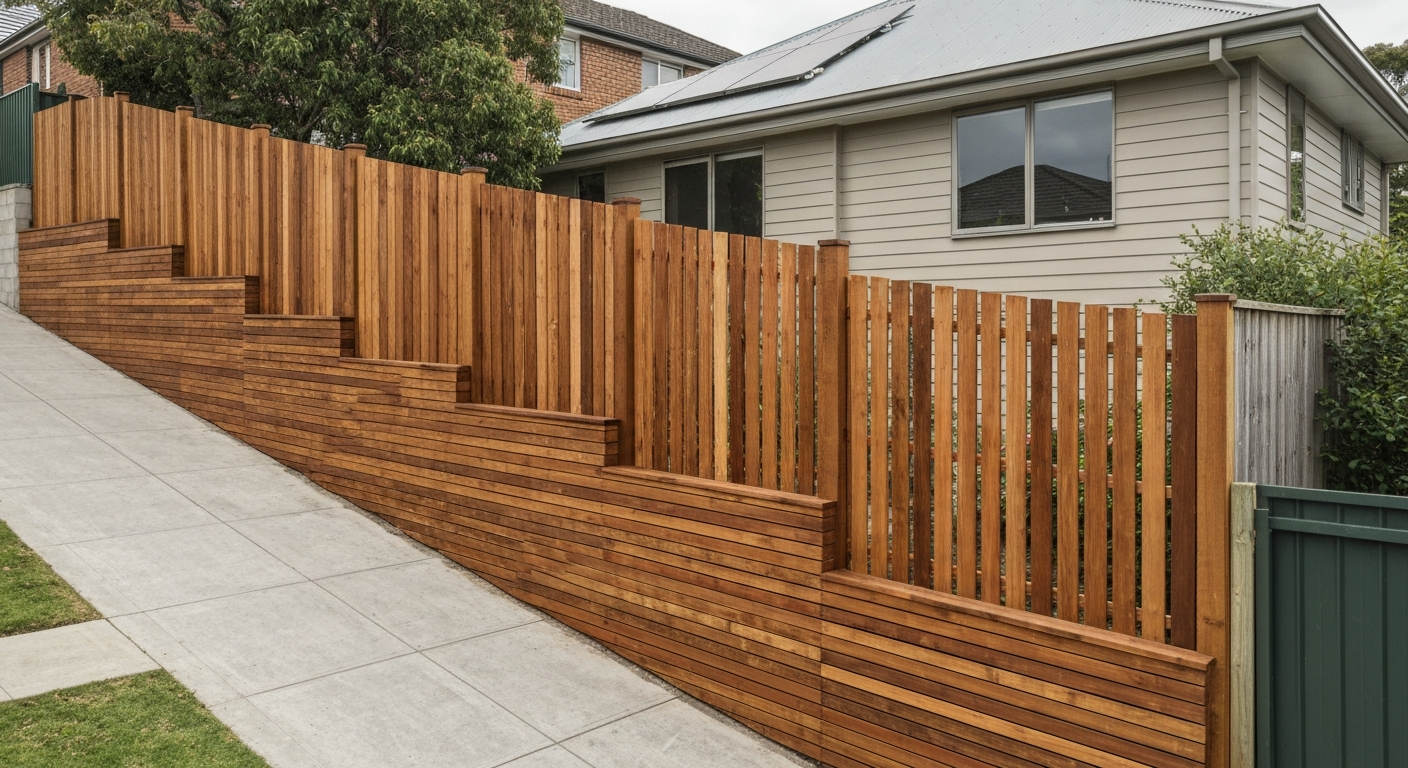
A professional installer will check grade differences before finalizing height. That might mean setting posts deeper on a sloped run, choosing a “step” method, or planning for a smooth top line while keeping the fence effective where it matters most.
Pets and kids: gaps matter as much as inches
For dogs, cats, and kids, height is only part of the equation. Dogs are jumpers, climbers, and investigators. Even a tall fence won’t help if there’s space at the bottom where a small dog can slip under, or if there’s a foothold created by uneven ground and rail placement.
When people describe their pets, I think in terms of movement, not just size. A medium dog that can jump might only need a fence that prevents easy access. A small dog might need tighter spacing top-rated fencing contractor and a bottom barrier. If you have a dog that presses its weight against a fence, wind and flex become your enemy, too, because a weak fence makes small openings worse over time.
Wind and structural performance
The taller and more solid the fence, the more wind load it sees. Solid panels, close spacing, and privacy boards all catch air. That’s not a deal-breaker, but it does affect post size, setting depth, and bracing.
A common mistake I’ve seen is treating fence height as purely a cosmetic choice and ignoring the way the area blows. In gusty regions, you want a fence designed to resist racking and uplift. That means proper post spacing, concrete at the right depth for the soil conditions, and enough bracing to keep the structure from loosening over time.
If you’ve ever heard a fence “talk” in the wind, that’s not just annoying. It’s a sign that the fence will eventually lose alignment. Over time, leaning becomes the new normal, and then maintenance turns into constant tightening and repair.
Local rules and neighbor-friendly outcomes
Height requirements vary by jurisdiction and sometimes by subdivision covenant. Even when there’s no formal limit, there’s often a practical one tied to how close you can build to a property line.
The best fence contractors confirm the rules early. They might also coordinate with adjacent neighbors when the project runs along shared boundaries. The result is less friction and fewer situations where someone is upset after the fence is already framed.
If you’re not sure what applies, ask your installer how they handle permits and line verification. A careful company will talk about how they confirm property lines and mark the route before cutting lumber.
The style decision: privacy, light, maintenance, and the “feel” of your yard
Style is where you get to express taste, but it’s also where you pay attention to how the fence behaves in real life.
Solid boards and modern privacy panels
A solid fence gives you maximum privacy. It can also reduce noise more than open styles, though it won’t make your yard soundproof. In bright areas, solid fencing can block light and make lawns and garden beds feel cooler, sometimes dramatically so.
Maintenance depends on material choice and how the fence is constructed. Wood fences often require staining or sealing to protect from moisture. Vinyl or composite options generally reduce staining chores, but you still want to plan for how they expand and contract.
One trade-off is that solid fences can act like wind walls. If you live in an area with frequent strong gusts, you want a design that uses proper bracing and posts, not just “tall and solid.” That’s where experienced installers earn their keep.
Shadowbox and “see-through” privacy
Shadowbox fences are often a sweet spot because they provide privacy while allowing some airflow. The slats are offset, so you get a visual barrier without turning your yard into a completely enclosed box.
These styles are popular because they tend to look more refined from both sides. They can also help with slight grade differences because the fence still looks intentional even if the bottom line isn’t perfectly level, as long as the contractor uses a sound grading plan.
If you want privacy but don’t want the heavy look, shadowbox designs are worth serious consideration.
Picket fences for boundaries and curb appeal
Picket fences are usually not about maximum privacy. They’re about structure and style, defining a boundary while inviting visibility.
If your goal is to discourage casual entry and keep pets contained, pickets can work, but you’ll likely need a height and spacing that matches your specific animal. Also, pickets require thoughtful maintenance if they’re wood, since open edges collect moisture and debris.
A well-installed picket fence can look incredibly crisp. An average install can look wavy, because the picket tops visually emphasize any inconsistency. That’s where alignment and quality control matter.
Lattice and ornamental styles
Lattice can add character and allow climbing plants to soften the fence line. It also provides partial privacy, which can be great for patios where you want some separation without total enclosure.
The caution is durability and sag. Lattice panels can bow or loosen if the framing is light or if the installation doesn’t account for wind. If you want lattice, look for a design that uses sturdy rails and secure attachment methods. It’s also worth considering how much you want plants to be involved. If you install lattice purely for aesthetics, plants might not be necessary. If you want climbing vines, you need a plan for maintenance and how the plants affect airflow.
Natural wood look versus low-maintenance materials
Material influences the style choice. Wood has a traditional look that many people love, but it lives in the weather. Vinyl or composite can be easier to maintain, yet the look depends on how the product is installed and how it’s laid out.
If you’re comparing options, ask how each style ages. Wood can warp slightly, especially on longer runs. Some materials can fade, and surface imperfections can become more noticeable over time. A reputable installer should explain expected changes, not just promise perfection.
Where the height and style should meet: practical scenarios
It helps to imagine the most common yard situations. Height and style decisions tend to repeat, and so do the mistakes.
The side yard that feels exposed
Side yards are often narrow, so fences can dominate the entire feel of the property. Taller solid fences can look imposing, and lattice can look too open.
A common best-fit approach is a medium-to-tall fence with a style that blocks the straight line of sight but still allows some airflow. It’s not just about privacy, it’s about making the space feel usable rather than trapped.
The installer should pay special attention to the top line, especially if the yard slopes. A stepped approach can look intentional when done cleanly, and sloppy when done carelessly.
The backyard patio and the neighbor line
If your patio sits near a boundary, you might want privacy at the seating height rather than a wall at the very top. In some cases, the “best” outcome is a fence that is tall enough to block views while still looking proportionate to the home’s height.
I once saw a fence installed that matched the homeowner’s requested height, but the posts were set in a way that created uneven visual height at one end. The fence still provided privacy, but it looked lopsided, and that made the whole backyard feel unfinished. A good contractor will treat alignment as part of the privacy solution, not an afterthought.
The backyard with wind exposure
If your property sits on a ridge, or you get seasonal gusts that rip through fences, the “best” style often becomes the one designed to resist airflow. Solid boards can still work if the structure is built properly, but you’ll want to discuss bracing and post size early.
If the installer treats wind as an afterthought, you’re likely to end up with wobble, leaned sections, or repeated maintenance.
What to look for in the best fence installers
At some point, you’ll realize that “best” is less about marketing and more about how the crew thinks. Anyone can quote a fence. The difference is in how they handle planning, measurement, and the boring details that prevent problems.
Here are a few qualities I prioritize when choosing among best fence installers, best fence contractors, and best fence companies.
Line, level, and layout accuracy
The fence line should match the property line route you intend, and it should look straight from multiple angles. I’ve watched installers hurry through layout and then “fix it later” with adjustments. That’s a red flag.
Ask how they establish the layout. Good crews use stakes and string lines, confirm endpoints, and plan for corners, gates, and transitions where the fence changes direction.
Gate planning that actually works
Gates are where fences often fail visually and functionally. If the gate is misaligned, it can scrape, latch poorly, or swing too far. Gate hinges also need reinforcement because gates carry load differently than fence panels.
A top-tier installation includes thoughtful gate framing, proper hardware, and a plan for how the gate will sit relative to the fence line and driveway clearance.
Post setting methods matched to soil conditions
Post depth and concrete practices matter. Soil varies. Some ground holds posts well, others shift or drain poorly. A strong installer doesn’t just use a generic depth and move on. They check what’s happening underfoot and set posts with enough stability to avoid future leaning.
If you’re in an area with freeze-thaw cycles, this matters even more. Moisture and expansion can loosen weakly set posts. Over time, you notice gaps and leaning even if the fence “looked fine” at day one.
Communication during design, not just during payment
The best contractors talk early about what can and cannot be done within the constraints of your lot. They should raise questions about grading, sun exposure, and how the fence lines interact with existing trees or slopes.
A good example: if you have large shrubs near where the fence will go, the installer should flag whether those plants might be removed, trimmed, or protected. Cutting trenches around root systems haphazardly can damage plants and create cleanup problems later.
Questions to ask before you commit
You don’t need to interrogate anyone, but you should walk away with clarity. If a contractor gets vague, it’s usually because the plan isn’t well thought out.
Here’s a short checklist I recommend bringing into the conversation. It’s simple, but it forces the details into the open.
- Confirm how they verify property lines and where the fence will sit relative to them
- Ask about recommended fence height for your privacy goal and any local constraints they follow
- Discuss how they handle slopes, especially where the bottom line might be uneven
- Get specifics on post setting, bracing, and how gate frames are reinforced
In addition to that, ask to see examples of similar fence styles installed nearby. Even if you like the materials, the real value is seeing workmanship in the environment you share.
Choosing the right height: a practical way to decide
You can think of fence height as a match between your goal and your tolerance for visual bulk.
If your biggest priority is privacy, you’ll likely choose taller. If your priority is defining space and maintaining airflow, you can go shorter and pick a style that offsets gaps without creating open sightlines.
The best decision usually comes from thinking about three zones:
From the ground up: gaps, climbing space, and how grade affects bottom visibility. At head level: where most direct sight happens. Above head level: which matters for long sightlines, second-story views, and wind-driven movement.
A professional installer can help you estimate whether a proposed height will actually accomplish what you want based on your yard’s slope and the viewing angles from neighboring homes.
The trade-offs people don’t expect
Fence projects often go smoothly, but the surprises are predictable when you’ve seen a few installs from both sides.
Solid fences can make moisture and landscaping tricky
A solid fence changes airflow and shade. That can be great for privacy, but it can also mean your yard becomes a different microclimate. Plants near the fence may dry more slowly, and grass can thin if it gets too little sun.
If you plan to have a garden or planters along the fence line, talk about spacing and whether you need to keep the bottom of the fence consistent. A fence built too close to plants can complicate maintenance and cause uneven wear.
Taller doesn’t automatically mean better
If your fence is too tall for your lot, the yard can feel smaller and more enclosed than you intended. It can also throw off the visual proportions against your house.
From street view, fence height affects how “tall” the home looks. If you’re aiming for a balanced look, consider how the fence compares to rooflines, windows, and landscaping height.
A contractor who understands style will consider proportions, not only numbers.
Different styles age differently
Wood changes. Vinyl may look crisp for years then fade slightly. Composite products vary depending on brand and installation methods.
Ask your installer what to expect visually at one year, three years, and five years. A good company doesn’t pretend all fences look identical forever. Honest expectations help you choose what fits your maintenance comfort.
Comparing common height and style combinations
If you want a quicker way to visualize pairing height and style, here’s a practical comparison. Think of it as “typical fit,” not a rule, because your lot can change the outcome.
| Height range (typical) | Style pairing | Best for | Watch-outs | |---|---|---|---| | 3 to 4 ft | Picket, open rail | Boundary definition, curb appeal | Less privacy, may not stop pets that can jump | | 4 to 5 ft | Shadowbox, semi-solid | Mixed privacy and airflow | Needs good alignment and consistent spacing for full effect | | 5 to 6 ft | Solid boards, privacy panels | Strong privacy | Higher wind load, bottom gaps become more noticeable on uneven grade | | 6 ft+ | Solid or heavier privacy | Maximum privacy expectations | More permitting risk in some areas, heavier structure needed |
This is where the “best fence companies” separate themselves. They don’t push you to the tallest option by default. They help you decide what gives you the privacy you want without turning the fence into a structural gamble or a landscaping problem.
Maintenance planning: what you’re signing up for
A fence isn’t a one-day project. It’s a multi-year relationship. The “best” choice for you depends on how much time you want to spend maintaining it, and how often you’re willing to do inspections.
Wood fences often need periodic staining or sealing, plus routine checking for loose boards, hardware corrosion, and rot at the bottom edges. If you use pressure washing, be cautious. Aggressive cleaning can damage surfaces and reduce the lifespan of protective finishes.
Vinyl and composite generally need less frequent attention. Still, you should plan for occasional cleaning and to check posts and gate alignment, especially after storms.
I recommend walking the fence line once or twice a year. Look for leaning sections, sagging gate corners, and any new gaps that could invite pets or allow small animals through. If you see a problem early, you fix a small one. If you ignore it, you end up repairing multiple panels or replacing hardware.
How to get a quote that’s actually comparable
Fence quotes can look similar on paper and still hide major differences. When you compare proposals from different installers, don’t focus only on total price. Compare what’s included: materials grade, post depth, spacing, bracing, gate construction, and how they plan to handle slopes.
If one company includes heavier posts and proper bracing for a solid privacy design in a wind-exposed area, their quote may be higher. That isn’t automatically “overpriced.” It might simply be built for your conditions.
Ask for a breakdown. You want clarity on:
How they’ll build the fence on uneven ground. Whether they plan to use one continuous top line or a stepped method. What kind of hardware and gate frame reinforcement they use. Whether the quote includes cleanup, disposal, and any landscaping restoration.
Real-world examples of good decisions
A good fence is hard to notice until you compare it to a mediocre one. You notice how straight it is from across the yard. You notice how solid the gate feels. You notice the privacy that works at eye level, not just at the measured top.
One homeowner asked for the “standard 6 ft privacy fence.” The style was fine, but the yard had a noticeable grade difference between ends. The installer recommended setting posts to account for the slope and stepping the fence line to keep the top consistent where it should be, while ensuring the bottom privacy held where people actually look over or around. The final fence looked deliberate, not corrected after the fact.
Another client wanted a lattice section for garden charm. Their plan was to install climbing plants. The installer showed them how lattice framing and spacing affects plant growth and wind movement. It wasn’t just about aesthetics. The structure helped the plants attach and reduced sagging over time. That fence still looks good years later, not because they got lucky, but because the design matched the future use.
Final decision: how to choose without second-guessing
The simplest way to choose is to treat height and style as a single decision tied to how you use the yard, how your lot sits, and how weather behaves where you live.
If you start with function and then match a style that supports that function, you’ll have fewer regrets. If you choose height based only on a number, you might get what you asked for and still feel disappointed because it doesn’t solve the real problem.
When you’re comparing companies, look for installers who ask the right questions, show clear layout thinking, and explain how they’ll handle wind, slopes, and gates. That’s the difference between a fence that looks nice for a season and one that stays straight, useful, and visually satisfying for years.
If you’re ready to move forward, reach out to a few reputable local teams and tell them what you want the fence to do. A great contractor will respond with thoughtful design suggestions, not just a take-it-or-leave-it height. That’s when you’ll know you’ve found the right match for your yard and your expectations, the kind of choice that makes the whole project feel worth it.